
Young people lead research in rural County Durham, showcasing how younger generations can shape communities
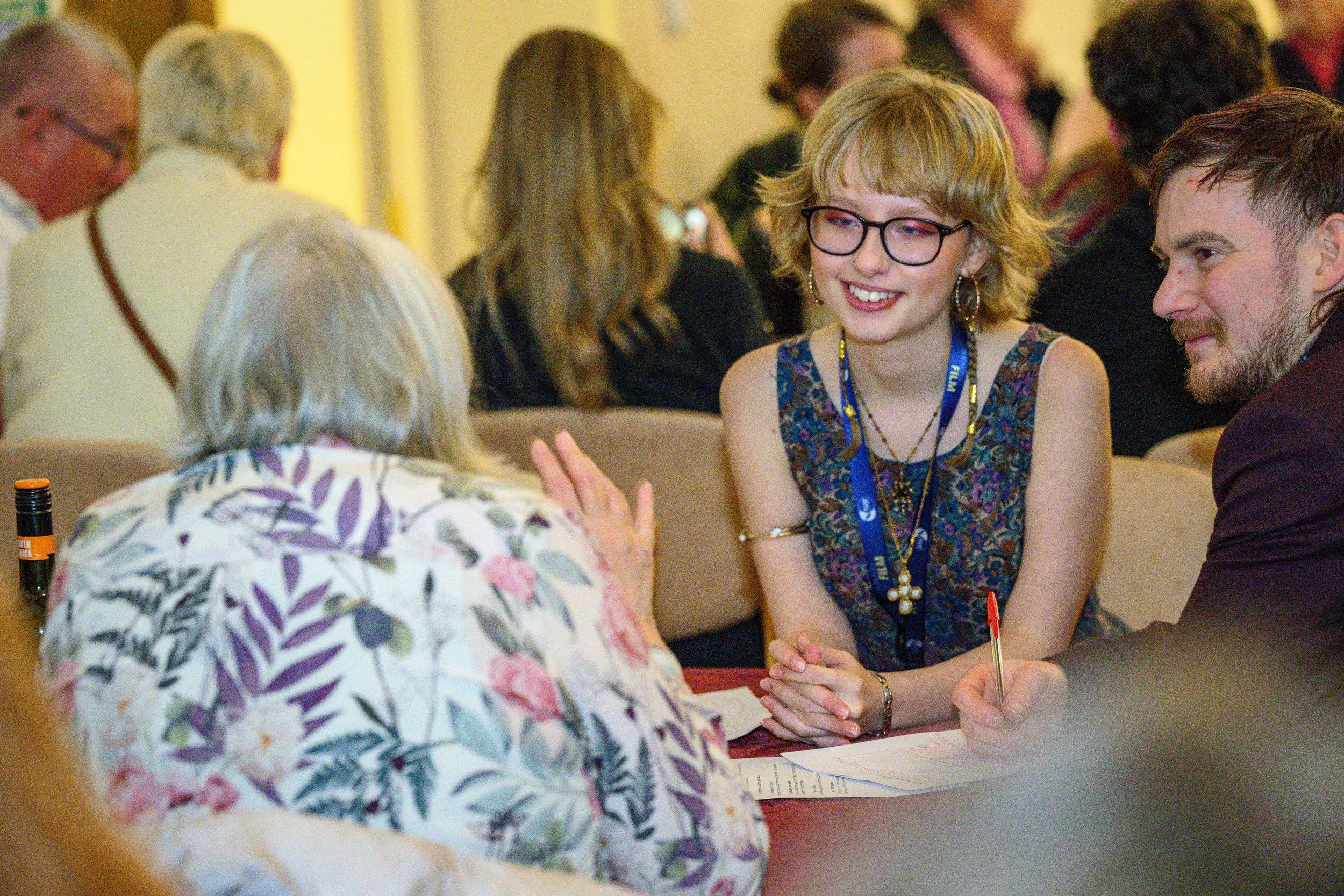
Jack Drum Arts, Young Researcher, Beat the Blues Event, January 2026
Ask a young person in a rural village what opportunities are available for them, and many will tell you what is missing.
Young people living in rural communities face greater challenges, and they understand the reality of transport barriers, limited opportunities, changing communities, and whether they can live in the same area as they grow into adults.
Their lived experience and local knowledge place them as experts who understand the unique characteristics of the places they live and how rural inequalities have an impact on their lives.
By giving young people the chance to lead research into issues that matter to them, they are gaining confidence, developing life-long skills, helping their communities gather richer evidence, and creating opportunities for decision-making in County Durham to be better informed by young voices from rural areas.
The Rural Durham Community Research Network provides opportunities for all ages to lead research, and over the last 12 months the network has funded two community research projects which are being led by young people with support from two VCSE organisations.
Through collaboration with coordinating networks like Durham Youth Print and inviting Investing in Children to join our advisory group, we’ve been able to highlight research funding opportunities for organisations working with young people and encourage youth-led research projects to emerge.
TCR Hub – Young people researching transport barriers in Teesdale
TCR Hub have trained and supported young people who attend a youth ‘Social Action’ group to deliver research. The young researchers have explored how limited or unreliable transport affects their opportunities and wellbeing. From education and employment to social activities and community involvement, access to transport shapes daily life in rural areas and often determines whether young people can participate.
The young researchers have expressed how important they think it is to speak up for other young people experiencing the same issues as themselves. Many of them have direct lived experience of transport barriers which have an impact on their lives.
One young researcher said: “Transport is horrendous where we live. I don’t live in town; I live in a little village, there’s no buses that come through my village, so anything I’ve ever wanted to do my parents have had to give me a lift. When I started college and had to get public buses, I had to spend 45 minutes standing in the rain to wait for one.”
Not only have they been able to use their own personal experiences to develop a research idea that matters to young people, but they have also been able to think of engaging ways to deliver the research, and through the group’s interest in art, this has formed part of their approach.
Through this project they’ve been able to develop new skills and take part in new opportunities. One highlight for the group was a trip to Edinburgh. They spent time planning the trip, exploring transport times and routes and visited by train. This helped them understand the challenges but also, if transport was more accessible, how many more experiences they could gain.
The group expressed a sense of pride at creating a survey to capture other young people’s views and feeling like they’re doing something worthwhile to help others have a voice.
One young researcher said, “It’s good knowing we’re doing something worthwhile and that it could make a difference”.
Research also lends an opportunity for young people to expand their awareness of how to communicate with the wider world. The group expressed an eagerness to present their research, so it was accessible to different people. This highlights how young people are conscientious of their peers and keen to take care and be inclusive with their approach.
One young researcher said, “It’s important to me to gain the perspectives of others”.
The young researchers also expressed a need to be an advocate for people who aren’t listened to.
One young researcher said, “This highlights the importance of young people's voices and opinions; there is a big age range that might not care about this issue, because they all drive, so it’s the people who usually can't advocate for themselves that are the people that it affects. This feels different to anything we’ve ever done before because you don’t always get an opportunity to feel represented in the community.”
Not only have they felt empowered to have a voice and speak up for others, but they’ve also gained skills that can support them in future life; for example, they’ve developed budgeting skills, planning skills and even developed a project management tool to support their research project.
The TCR Hub are a lively community centre in Teesdale that works with people of all ages, and by acting as a central hub, they are able to provide opportunities like this for young people to connect and lead research. Their firsthand knowledge of working with young people who experience transport issues and how this also has an impact on them as an organisation placed them in an important position, and through their grassroots knowledge they’ve been able to bring young people together through shared experiences, activating action in their community.
Kelly Ewing, Youth Work Lead overseeing the project, said:“It's been amazing to watch our young people grow throughout this project. They started by sharing their own experiences but quickly realised they weren't alone. That realisation gave them the confidence to dig deeper, speak to other young people and really explore the impact that transport has on life in rural communities. Along the way they've built confidence, learned new research and communication skills, and discovered that their voices really do matter. I hope this project shows that when we give young people the chance to lead, they come up with powerful ideas and can help shape real change in their communities.”
Jack Drum Arts – Exploring heritage and arts as community connectors
Jack Drum Arts recruited eight young people to explore how arts and creative practice can connect generations and help communities engage with and celebrate their heritage in new and imaginative ways. Through training and working as a group, the young researchers investigated how shared artistic experiences reveal what makes rural County Durham communities distinctive, and how these experiences build a sense of identity, pride, and belonging, especially for young people.
The young researchers have expressed how they felt a sense of pride about their involvement. A key highlight for the group was the opportunity to plan and lead an event which brought together community members of all ages through music, food and conversation.
One young researcher said, “For me, the best part was getting the chance to organise the ‘beat’s the blue’ event, actually being in charge, not just sharing ideas but actually leading it.”
Another young researcher said, “The best part was discovering new or interesting things about people in my community.”
By providing young people with a chance to lead research, this can build confidence and empower young people to have a voice. This has never been so important, particularly as the Youth Matters - National Youth Strategy emerges and sets out a key priority ‘Seen and Heard’ which highlights how they’ll ‘deliver with young people’ and put them in the driving seats of their own lives and be involved with decision-making.
The strategy is informed by young people’s voices, with a survey capturing over 14,000 responses. In the UK, only 1 in 4 young people feel their voices matter, and the survey results told us that in the North East only 33% of young people feel their voice matters for decisions in their local area.
One young researcher said, “I feel more heard, and I’m talking to more adults, and it’s given me confidence.”
Not only have young researchers gained confidence and skills, but they have also gained a new understanding about their community, the people that live within it and their own families.
One young researcher said, “Doing something like this is a great benefit; you get to talk to people and learn about different viewpoints and beliefs.”
And another young researcher said, “I’ve learnt more about my heritage; I know more about my own family as it opened conversations at home. I’ve developed a positive understanding and better relationship with one of my family members.”
Accessing opportunities that drive inspiration is crucial for young people, and this community research project highlights how this can drive new ambitions and aspirations for being included in their community.
One young researcher said, “I’m going to be on the Jack Drum Arts Youth Board, and I also want to put myself forward as a young leader for the Samba at Jack Drum Arts. I feel more confident to do that now.”
Another young researcher said, “I want to get involved with more youth research. At school I study triple science, I always thought research was scientific, and I’ve realised it’s about human experience too.”
The young researchers are keen to share their experience, and as a result participated in a Durham Community Action podcast; you can listen to their experience via Spotify here
Organisations like Jack Drum Arts are trusted and embedded within community life, which provide young people with a safe environment to try new things alongside their peers. This can make a huge difference in how young people engage with research.
Jay Conlon, Jack Drum Arts, Board Member overseeing the project, said:“Our young community researchers were trusted to lead, not just contribute, and it’s been great to watch them realise their views, skills and leadership can have an impact. The project helped young people see heritage as something connected to their own lives, families and communities, and helped create genuine, thoughtful conversations between generations, led and facilitated the whole way by our young researchers. The project aimed to build practical skills as well as confidence, and my own experience on the project has helped reinforce how much young people can and will contribute when they’re given trust, structure and support. Young researchers like our own have shown that, when given the opportunity to share their voice, a community that listens learns more about itself.”
Community-led research offers a different approach and moves young people from rural communities away from being a subject of consultations and moves them towards actively shaping more relevant and meaningful research, gathering evidence and creating genuine opportunities for co-production.
Across rural Durham, young people are demonstrating their ability to investigate issues, gather evidence and a willingness to work with decision-makers to contribute solutions. This provides us with a great opportunity to ensure young voices in rural communities are heard and that local decision-making reflects the realities of their lives.
If you’re a VCSE organisation or community group interested in working with young people in your rural community to lead research, please reach out by emailing info@durhamcommunityaction.org.uk; we would love to hear from you