Research snapshot
Heritage at Heart: Exploring Heritage, Creativity, Intergenerational Connection and Community Identity
Objective
To explore how people understand, access and participate in heritage, cultural activity and community life in rural County Durham, with a particular focus on heritage as something lived and shared through creativity, intergenerational connection and community identity.
Background
Heritage at Heart was developed by Jack Drum Arts to better understand how local people experience heritage and community identity.
The project recognised that heritage is often understood not only through museums, landmarks or formal history, but through relationships, stories, traditions, creativity, place and everyday community life.
The research was led by young community researchers and focused on communities across rural County Durham.
Research methods
This community research project used a mixed-methods approach involving:
An online survey (37 valid responses)
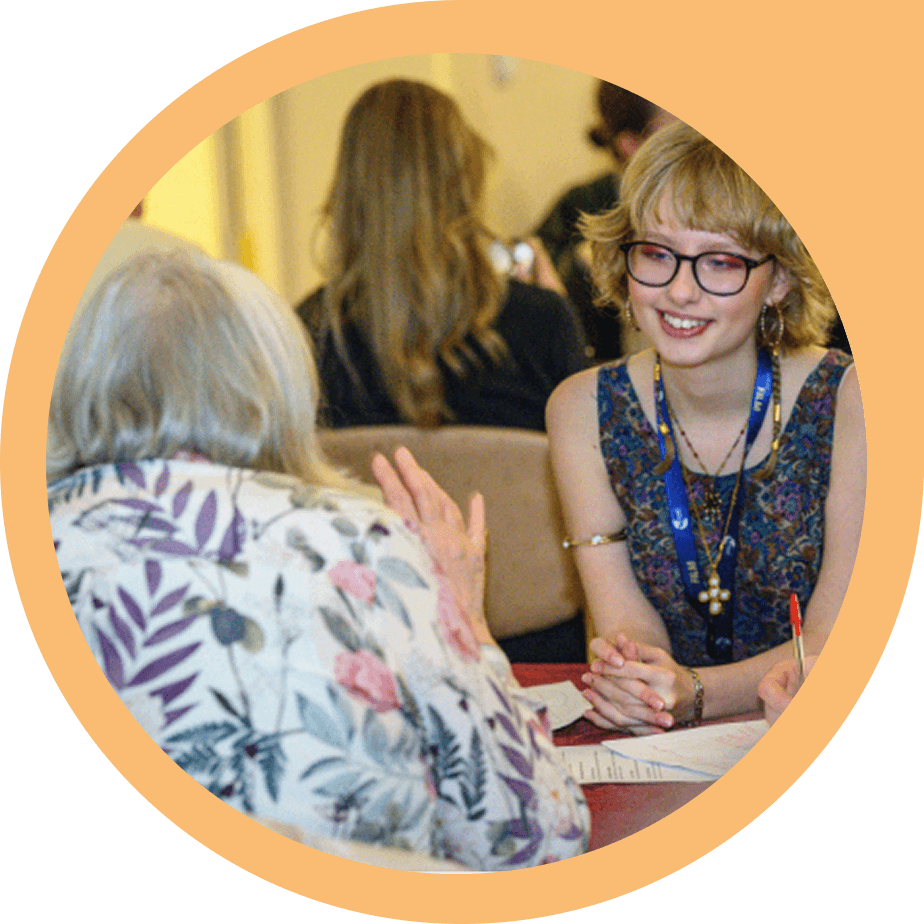
Focus group discussions with participants across generations
Data gathered through the Beat the Blues community event (95+ attendees)
One supplementary case study interview
Young community researchers helped design research tools, support engagement, collect data and contribute to thematic analysis.
Quantitative and qualitative findings were analysed to identify patterns relating to heritage, participation, access and intergenerational connection.
Key insights
Heritage is understood as lived experience rather than simply history, buildings or objects.

Creativity provides a powerful route into heritage, identity and community connection.

Many people engage with heritage through everyday community life rather than formal heritage activities.

Intergenerational activity helps share knowledge, strengthen belonging and keep heritage active.

Access depends on more than cost, with transport, time, confidence and inclusion playing significant roles.

Young people can make meaningful contributions as researchers, organisers and creative leaders.
Findings
Heritage is lived, local and personal
Participants described heritage through family, stories, memory, place, language, food, music, work and community relationships and it was viewed as something ongoing and relevant, rather than something fixed in the past.
Intergenerational and creative activity keep heritage alive
Participants highlighted the importance of sharing stories, knowledge and lived experience across generations. Music-making, performance, storytelling and community events were identified as important ways for heritage to be experienced, shared and sustained.
Access and participation remain uneven
While heritage was strongly valued, participation in formal heritage activity was less common. Barriers included time, transport, visibility, confidence, accessibility and whether opportunities felt welcoming.
Survey findings highlights:
97% of respondents (36/37) said learning about and preserving local heritage was Important or Very Important.
97% of respondents (36/37) reported that community, cultural and creative activities provide opportunities to connect with people from different generations.
A gap emerged between valuing heritage and participating in heritage activities: while 36 respondents valued heritage, only 13/37 took part in heritage activities more than monthly, and 13/37 never participated.
Conclusion
Heritage is strongest when people are supported to take part in it.
Heritage is carried through stories, relationships, creativity, memory and shared experience as much as through places and objects.
The findings demonstrate that participatory, intergenerational and accessible approaches can strengthen community identity, encourage belonging and help communities carry heritage forward together.