
Research snapshot
Rural transport and young people
Background
The research emerged from conversations with young people who identified transport as one of the biggest challenges affecting their daily lives.
Difficulties accessing education, employment, social activities, healthcare and friendships were frequently raised.
The project was designed to gather evidence directly from young people while developing their research, communication and social action skills.
Objective
To explore how transport affects the lives of young people living in rural Teesdale and County Durham, and to ensure their experiences inform future transport planning and decision-making.
Research methods
The project was led by six young people from TCR Hub's Social Action Group. Data was collected through:
A survey of 42 young people aged 12 to 14
18 individual journey case studies involving young people aged 11 to 21
Youth voice discussions and informal conversations
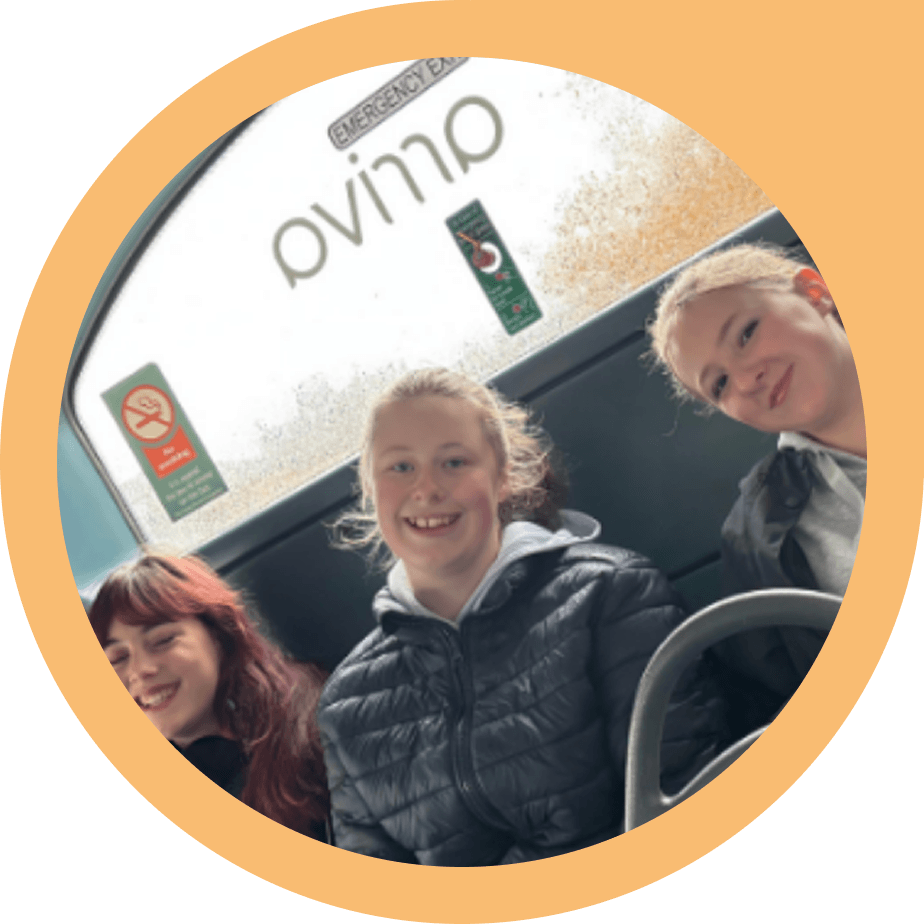
Practical transport research trips to York and Edinburgh
Young people led the research process, helped analyse findings, and chose to present the results through an immersive art exhibition.
Key insights
Transport is a youth opportunity issue as well as an infrastructure issue.

Reliable and frequent services are essential for rural young people.

Limited transport can restrict independence, wellbeing and future aspirations.

Youth-led research can build confidence, skills and meaningful engagement with community issues.

Young people often view transport challenges as normal despite their significant impact.

Findings
Transport shapes opportunities
Young people reported that transport affects access to education, employment, healthcare, leisure activities and social opportunities, not just travel itself.
Reliability and accessibility matter
Participants highlighted late buses, cancelled services, infrequent routes, long journey times and limited options in rural areas. Many felt they had to organise their lives around transport rather than transport supporting their lives.
Transport influences wellbeing and connection
Difficulties accessing friends, activities and services contributed to feelings of isolation, particularly in more remote communities.
Survey findings highlights:
95% of respondents (40/42) expressed negative feelings about the lack of public transport.
88% (37/42) said they would, might, or potentially use a Sunday bus service.
Local bus services received an average rating of 3.1 out of 5.
Bus prices received an average rating of 2 out of 5, with 22 respondents giving the lowest possible rating.
The most common feelings associated with limited transport were missing out, sadness, isolation, frustration and annoyance.
Conclusion
This research showcases that transport plays a central role in shaping young people's opportunities and quality of life.
The findings demonstrate that transport barriers can limit access to education, employment, social connections and support services.
By placing young people at the centre of the research process, the project has created a stronger understanding of rural transport challenges and highlighted the importance of including young people's voices in future transport planning.
Download this research snapshot as a PDF (coming soon)