
Rural Durham Community Research Network Launch: Strengthening local decision-making through community-led research
The Rural Durham Community Research Network (RDCRN) launched on 15th October at the TCR Hub in Barnard Castle, marking the start of a five-year initiative to support community-led research across Teesdale, Weardale and Derwent Valley. Funded by UK Research and Innovation (UKRI) through The Young Foundation, RDCRN is one of nine Community Research Networks being developed across the UK. Each year, a new cohort of community researchers will explore key local experiences, creating a rolling cycle of valuable insight and learning.
Through the network, communities in rural County Durham are supported to investigate their own priorities - including health and wellbeing, access to local support and opportunities for young people - and to share their findings with funders, delivery leads and policy-makers. By anchoring research in lived experience, RDCRN aims to generate credible, actionable evidence that can support better decision-making for rural communities.
Insights based on lived experience can reveal barriers that traditional public consultation may not capture, offering the evidence needed to shape services that are more relevant and effective. By engaging with RDCRN at this early stage, decision-makers have an opportunity to benefit from emerging research findings, strengthen links with local VCSEs and rural communities, and ensure funding is directed where it can have the greatest impact.
Ahead of the launch, four community research projects were awarded a total of £32,697 in funding, each addressing a theme with clear relevance to rural life and local services:
Jack Drum Arts: how heritage and the arts can strengthen intergenerational connection and belonging.
TCR Hub: how transport barriers affect young people’s access to education, work and community life.
UTASS: the impact of volunteer companionship on reducing isolation and improving wellbeing.
Weardale Together, with Weardale WordFest and NorthPens: the role of shared community spaces in supporting resilience, creativity and social life in rural areas.
Before funding was awarded, each group completed practical training and worked with the Rural Design Centre, Durham Community Action and Durham University’s Centre for Social Justice & Community Action to refine their research questions and plans, and ensure projects were robust, ethical and inclusive in both design and participation.
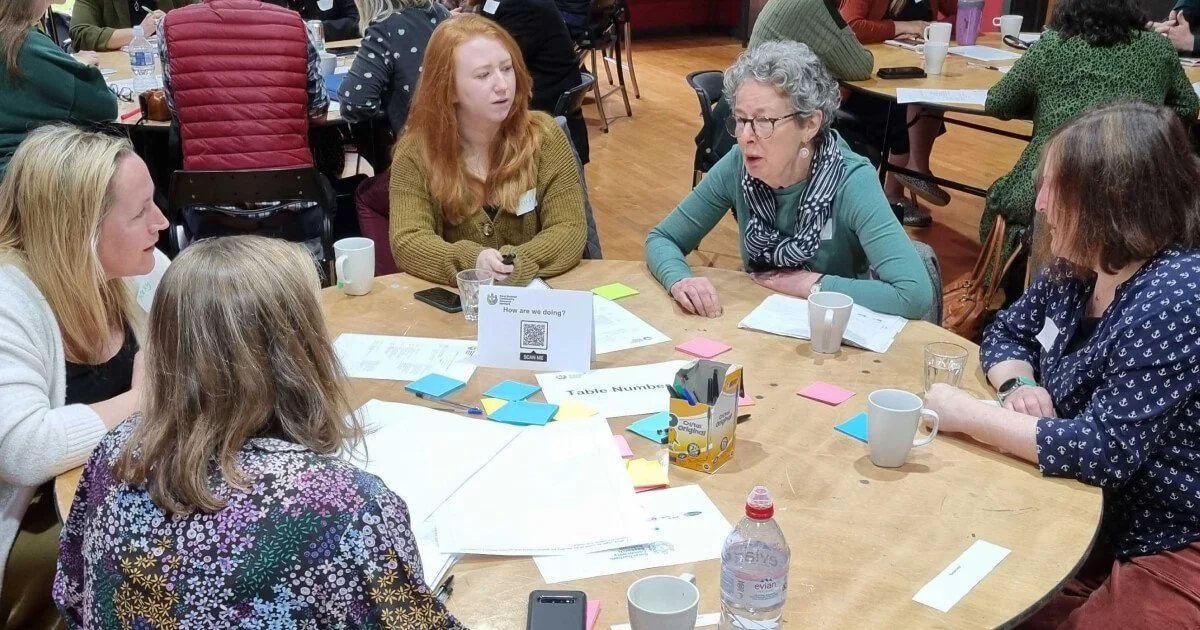
The launch event brought together 60 participants from VCSE organisations, public sector, academic institutions and local communities for collaboration and discussion. Along with the announcement of the funded projects, round-table sessions explored shared priorities and opportunities. While the network is still in its early stages, the level of participation demonstrates a strong appetite for rural communities to play an active role in shaping decisions that affect their daily lives.
“Taking part in the network event was an excellent opportunity to share learning from our research into companionship and volunteering in rural communities. The discussions helped shape new perspectives and highlighted the value of collaboration in tackling rural isolation.” said Suzanne Wallace, Community Researcher, UTASS
Read our network launch report which shares more about the events key moments and emerging themes from round table discussions. You can read the report here.
The next RDCRN network meeting will take place online on 4th February 2026, 10am - 12pm. These quarterly sessions are a space for VCSE organisations, community groups, decision-makers, funders, academics and policymakers to engage directly with community-led research, build relationships, exchange knowledge and use emerging evidence to inform future planning and investment across rural County Durham. Book your place for the next network meeting.
Stay up to date with the network's latest news, and updates on active community-led research by signing up to our bi-monthly newsletter. You can register to join our network mailing list.