
The Rural Durham Community Research Network has now finished its second year, and our new short report looks back at what we did, what we learned and what comes next. We put it together by listening to our community researchers and all of the people involved in the Network, through discussions, annual survey, feedback from every workshop and training session, a focus group with new community researchers and interviews with community research project leads and young people.
It’s been a busy year. 88 people took part in Network activities, and 232 people have now been involved in the Network overall. We funded four community-led research projects that looked at shared spaces in Weardale (Weardale Together and Weardale Wordfest), volunteer companionship in Teesdale (Time Together Teesdale), transport and accessibility for young people in Teesdale (TCR Hub), and heritage, creativity and community identity in County Durham (Jack Drum Arts). We also ran three Knowledge for Change workshops, one in each dale, and trained 11 community members in our four-week community research training programme.
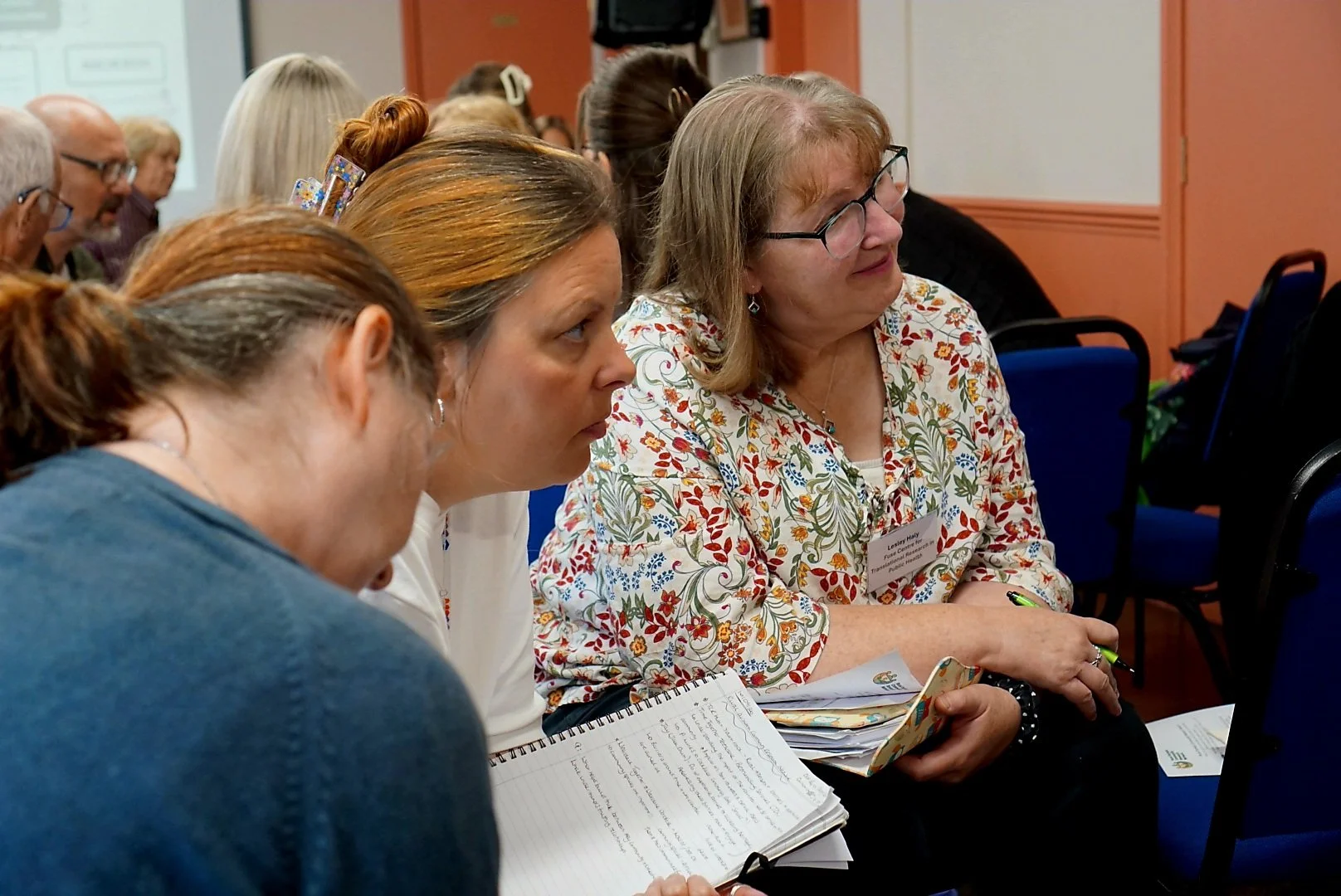
A key finding of the year was taking part builds people’s skills and confidence. Many people came to our workshop’s thinking research was something only universities do and left seeing it as something they could do themselves. As one person in Teesdale put it, “Research can be done by everyone and can support everyone — not just universities.”
Our research projects showed the same thing. Young people and volunteers who led the research told us they now feel more confident, more listened to and proud of what they achieved. One young researcher at Jack Drum Arts said the best part was “actually being in charge, not just sharing ideas but actually leading it.”
People also told us that meeting others is what they value most about the Network. It now links 86 organisations and residents. Most are local community groups, but there are partners across the region, the country and beyond. Members are already putting what they’ve learned to use, from changing how they gather feedback to reviving projects they had put on hold.
We’ve also been honest about what hasn’t worked so well. Most members feel welcomed and listened to, but fewer feel they have a real say in where the Network goes. We will work on areas for improvement this year, including how decisions about funding are made, how to better share what we’ve learned, strengthen mentoring and provide additional support to community researchers to deliver research impact.
We’ll support our new community researchers this year, Victim Voice Durham; Music in the Heart of Teesdale; Weardale Horizons; and Stoke the Flame, and we will continue to engage and support last year’s community researchers to deliver impact from their projects. You also told us that rural transport is the community research topic you most want us to focus on next, followed by young people, food and poverty.
Feedback from network members, community researchers and organisations is crucial, and we will continue to invite you to share your ideas and suggestions for improvement in the future. You can share your feedback with us at any point, so please get in touch if you would like to share your thoughts. You can learn more about our evaluation framework here.